

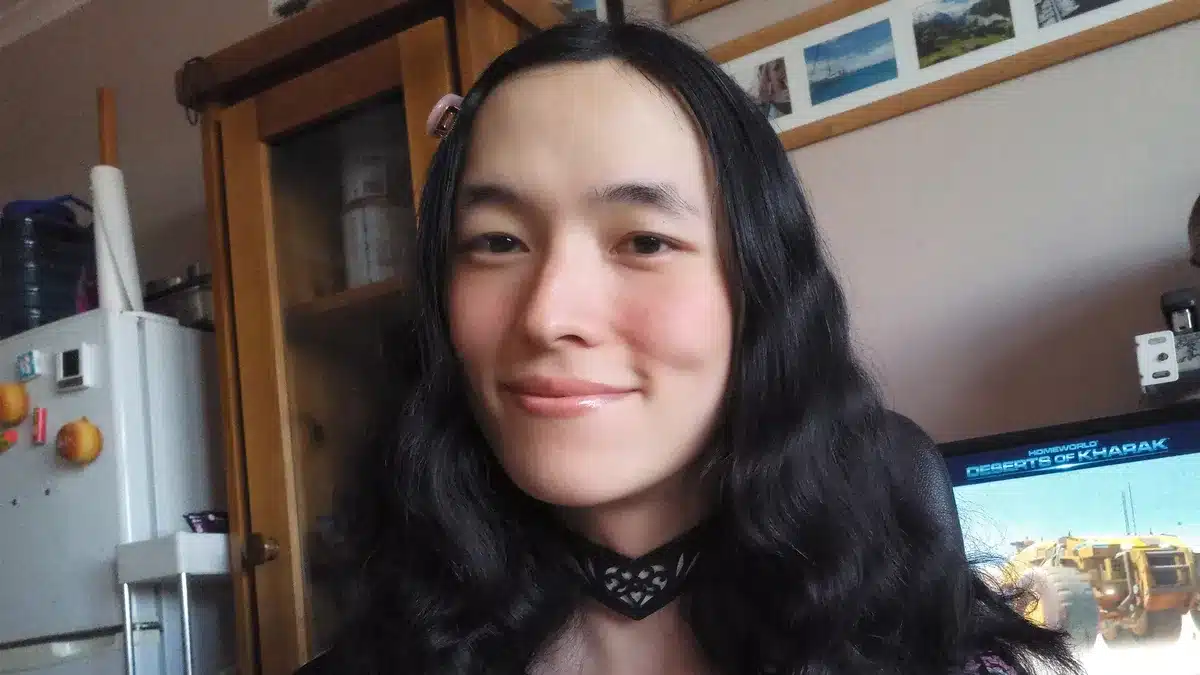
A nurse inserted the needle smoothly into my arm. It stung briefly, but I stayed calm as she filled multiple tubes. By the fourth vial, she noted how relaxed I seemed around needles. I smiled, masking the significance of the moment. Years earlier, such a procedure would have overwhelmed me with terror.
Childhood Fear Meets Adult Determination
Needles have terrified me since childhood. Sharp objects piercing skin triggered intense anxiety, often requiring restraints during dental visits or vaccinations. This phobia persisted into adulthood until it clashed with a deeper personal truth.
For transgender individuals, overcoming such fears becomes essential when they block access to hormone therapy needed for transition. My journey started in 2020 amid pandemic isolation. After weeks of introspection, I confided in my then-partner that I believed I was trans.
Initially, I dismissed gender dysphoria because my experiences differed from those shared by friends or online communities. Subtle discomfort with my gender presentation seemed normal until support groups revealed otherwise. Childhood memories and occasional cross-dressing confirmed my identity.
My partner offered unwavering support, eager to learn more as I navigated uncertainties like timelines and surgery options. Still, pursuing transition felt certain.
Starting Hormone Therapy
Consulting my doctor confirmed that prescription estrogen was necessary to ease my dysphoria. After a year of oral hormone replacement therapy (HRT), she recommended switching to weekly injections for better results. The suggestion filled me with dread, but the benefits outweighed the fear.
With detailed instructions, I administered my first injection alone. Tension made it painful, but I completed it. My partner stepped out to avoid adding pressure—a wise choice given my anxiety.
Challenges and Breakthroughs
Subsequent months brought hurdles. Anxiety sometimes left doses incomplete in the syringe. Yet, unlike childhood, I controlled the process, building courage over time.
Unforeseen pains emerged: striking a nerve, hitting a blood vessel with slow clotting, or injecting into a healing site. Each mishap mirrored transition’s trials—uncomfortable yet formative.
Self-injections fostered appreciation for my body’s estrogen-driven changes. Tracing transformations back to injection sites made progress tangible.
Lessons in Resilience
This experience proves enduring challenges yield unexpected growth. Approaching fears openly reveals personal strengths and capabilities. Many transgender people face harsher obstacles, making my supportive path a reminder of transition’s potential joys.
