

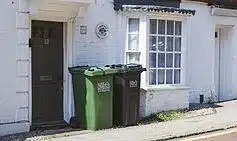
Millions of households across the UK are being alerted to common recycling mistakes that could lead to their bins being left uncollected. A waste collection professional, known online as The No 1 Binman, has identified three specific items frequently placed in household recycling bins that can cause significant issues for waste management services. Adhering to local recycling guidelines is crucial, as incorrect disposal can result in bins being flagged as contaminated and subsequently refused collection.
Understanding Recycling Contamination
Recycling contamination occurs when non-recyclable or improperly prepared items are mixed with recyclable materials. This contamination poses a serious problem for the recycling process. Unsuitable materials can not only disrupt the sorting and processing stages but also potentially spoil entire batches of otherwise recyclable waste, rendering them unusable. Consequently, waste collection services may refuse to empty bins that do not meet the specified criteria. Beyond contamination, bins can also be refused collection if they are excessively heavy or if additional waste is left beside the bin, rather than inside it.
The Three Problematic Items
The binman highlighted three prevalent items that often cause confusion and lead to recycling contamination:
1. Crisp Packets
Crisp packets are a frequent offender when it comes to recycling contamination. The complex multi-layered material, often a combination of plastic and foil, is typically not compatible with standard household recycling machinery. While they cannot be processed through regular kerbside collections, many supermarkets offer dedicated collection points for soft plastics, where clean crisp packets can be taken for specialized recycling.
2. Carrier Bags
Although carrier bags are made of plastic, they present a similar challenge to crisp packets. Their flexible nature can cause them to get tangled in sorting equipment, leading to operational disruptions and damage. Similar to crisp packets, these bags are best recycled at supermarket collection points that specifically accept soft plastics. Simply placing them in your household recycling bin is not the correct disposal method.
3. Bubble Wrap
Bubble wrap, along with other flexible plastic films, falls into the category of items generally not accepted in standard household recycling collections. Its structure and material composition make it difficult to sort and process alongside rigid plastics and paper products. Residents are advised to seek out appropriate recycling drop-off locations for these items rather than including them with their regular household recycling.
Why Local Rules Are Paramount
The core issue highlighted by the waste collection expert is the variability of recycling rules across different local authorities. What might be accepted in one area could be considered contamination in another. This is largely due to the different types of sorting facilities and processing capabilities available in various regions. Therefore, it is essential for residents to consult their local council’s website or recycling information guides for precise instructions on what can and cannot be placed in their recycling bins.
Assuming that all plastic items are recyclable through kerbside collections can lead to widespread contamination. Flexible plastics, composite materials, and certain types of films often require separate collection streams or specialized recycling processes that are not integrated into standard household collections.
Best Practices for Household Recycling
To ensure your recycling efforts are effective and your bins are collected, consider the following best practices:
- Check Local Guidelines: Always verify the specific recycling rules for your local council. This is the most critical step to avoid contamination.
- Rinse Containers: Ensure all food and drink containers are rinsed clean before being placed in the recycling bin. Leftover residue can contaminate other materials.
- Empty and Dry: Make sure items are empty and reasonably dry. Soggy paper or cardboard can be difficult to recycle.
- Know Your Plastics: Familiarize yourself with the different types of plastic and their recyclability in your area. Look for recycling symbols, but remember these are not always indicative of kerbside collection acceptance.
- Utilize Supermarket Collections: For items like crisp packets, carrier bags, and soft plastics, seek out designated collection points at local supermarkets.
- Avoid ‘Wish-cycling’: Do not place items in the recycling bin hoping they might be recyclable. If in doubt, it is often better to dispose of the item in general waste to prevent contamination.
Conclusion
Proper waste disposal and recycling are vital for environmental sustainability and efficient resource management. By understanding the specific challenges posed by items like crisp packets, carrier bags, and bubble wrap, and by diligently following local council guidelines, residents can significantly reduce recycling contamination. This not only ensures their own waste is collected but also contributes to the integrity and effectiveness of the broader recycling system. When in doubt, always check with your local authority to ensure you are recycling correctly.
