

South Australian Public Service Faces Job Freeze Amid Budget Cuts
South Australia’s public service is set to experience a significant reduction in staffing over the next twelve months, with approximately 1,000 full-time equivalent positions in non-frontline roles not being filled. This measure is a key component of the state government’s upcoming budget, slated for release on Thursday afternoon.
The Labor government, following its substantial election victory in March, aims to achieve annual savings of $120 million by implementing a policy of replacing only one in every two departing employees from back-office functions. This initiative comes as the state grapples with a projected debt approaching $50 billion.
Treasurer Details Efficiency Measures
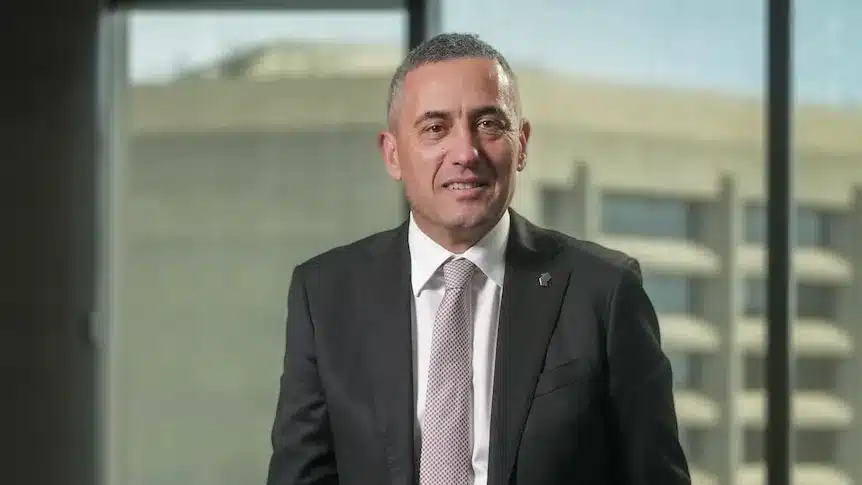
Treasurer Tom Koutsantonis explained that this strategic approach to staffing will result in an estimated 1,000 fewer back-office full-time equivalent jobs than would otherwise be filled within the next year. He emphasized that the move is designed to deliver substantial budget savings without compromising the public service’s operational efficiency or the delivery of frontline services.
Koutsantonis also highlighted the current competitive labor market in South Australia, driven by significant private sector investment. He suggested that this situation presents an opportunity to foster a more agile and efficient public service, while simultaneously ensuring that the private sector has access to the necessary workforce.
Union Expresses Concern Over Staffing Changes
Charlotte Watson, the general secretary of the Public Service Association of South Australia, voiced alarm regarding the impending announcement. She noted that the union had been aware of potential changes flagged just two days prior to the state election. Watson stressed the critical role of administrative staff, stating, “These are the people that are making sure that the frontline workers are getting paid. These are the people that are making sure families are housed, children are protected and that the state is properly advised on crucial matters like the algal bloom.”
Pre-Budget Announcements Signal Government Priorities
The upcoming budget marks the first for Treasurer Koutsantonis since his return to the treasury portfolio last September. He previously served as treasurer under former premier Jay Weatherill from 2014 to 2018.
In the lead-up to the budget, the government has already unveiled several policy initiatives. These include measures aimed at supporting home buyers, expanding preschool access for three-year-olds, and broadening eligibility for the Seniors Card. Premier Peter Malinauskas announced that from July 1, an additional 80,000 seniors will benefit from savings on essential goods and services.
Minister for Domestic, Family and Sexual Violence Alice Rolls detailed a $4 million initiative to help survivors of domestic, family, and sexual violence re-establish themselves by waiving stamp duty and making the First Home Owner Grant available to them. “Most of the time, victims have to move away from their home when the relationship ends and start again, and what we are looking at is trying to remove barriers for those victims, most of whom are women in trying to purchase a new home,” Rolls stated.
Furthermore, the budget will allocate $50 million towards accelerating the construction of 400 homes for first-time buyers in Munno Para. Early childhood education will also see an expansion, with 50 long day-care centers offering preschool for three-year-olds from next month, utilizing funding brought forward from 2024. An additional 140 centers are expected to join the program by January.
Opposition Urges Stronger Debt Reduction Measures
Opposition Leader Ashton Hurn argued that administrative and policy roles within the state government have been expanding at a faster rate than frontline positions, and called for more decisive action to curb state debt.
Last year’s budget projected that state debt would escalate to $48.5 billion by the 2028-29 financial year. Hurn emphasized fiscal responsibility, stating, “Every taxpayer dollar spent is taken from somebody’s pocket — money that could pay electricity bills, buy groceries or be saved for a rainy day. That money needs to be respected.”
In response, Treasurer Koutsantonis criticized the opposition’s approach, pointing out their proposals for $1.6 billion in additional spending since the previous state budget, while simultaneously complaining about rising debt levels that were already forecast under the Liberal government ousted in 2022. “Despite their election defeat, they have learnt nothing — they are still promising everything to everyone, with no plan to pay for it and no regard for the consequences,” Koutsantonis remarked.
