

Yom Kippur, recognized as the holiest day in Judaism, marks a profound period of introspection, repentance, and atonement. Observed annually just over a week after Rosh Hashanah, the Jewish New Year, this significant festival is characterized by a solemn, day-long fast. During this time, Jewish individuals are called to reflect on the past year, seeking forgiveness for any wrongdoings and expressing hopes for a healthy and prosperous year ahead.
The Timing and Duration of Yom Kippur
In the Gregorian calendar, Yom Kippur commences on the evening of a specific date and concludes approximately 25 hours later, after nightfall on the following day. The observance begins just before sunset and ends after the stars appear the next evening. According to the Jewish lunisolar calendar, Yom Kippur falls on the ninth day of the Hebrew month of Tishrei and concludes on the tenth day. Tishrei holds a unique position as the first month of the civil year and the seventh month of the ecclesiastical year. This period of intense spiritual focus occurs at the culmination of the “10 Days of Repentance,” a span that begins with the celebration of Rosh Hashanah.
Significance: The Day of Atonement
The very name “Yom Kippur” reveals its core meaning. In Hebrew, “Yom” translates to “day,” and “Kippur” means “to atone.” Therefore, the observance is widely known as the “Day of Atonement.” This annual day of repentance is central to Jewish spiritual life, marked by a significant fast that is bookended by festive meals. As noted by Jewish educational resources, fasting on Yom Kippur offers a deeply personal path to spiritual awakening and introspection.
Central to the theological understanding of Yom Kippur is the belief in divine judgment. According to tradition, on Rosh Hashanah, God inscribes the fate of all individuals in sacred books. The righteous are written into the Book of Life, while the wicked are written into the Book of Death. However, these inscriptions are considered provisional. The final judgment is believed to be rendered on Yom Kippur, providing a crucial window for individuals to influence their destiny. Many believe that most people fall somewhere between purely righteous and purely wicked, and the days leading up to Yom Kippur offer an opportunity to “tip the scales” through repentance and good deeds.
Commemoration and Observances
The commemoration of Yom Kippur primarily involves attending synagogue for prayer services. The festival’s commencement is marked by a particularly moving service called Kol Nidre, recited at sundown on the eve of the holiday. This service, described as a declaration rather than a prayer, addresses vows and verbal commitments made throughout the year, seeking their annulment. While a typical synagogue day includes three prayer services, Yom Kippur expands this to five, incorporating additional opportunities for communal prayer and reflection.
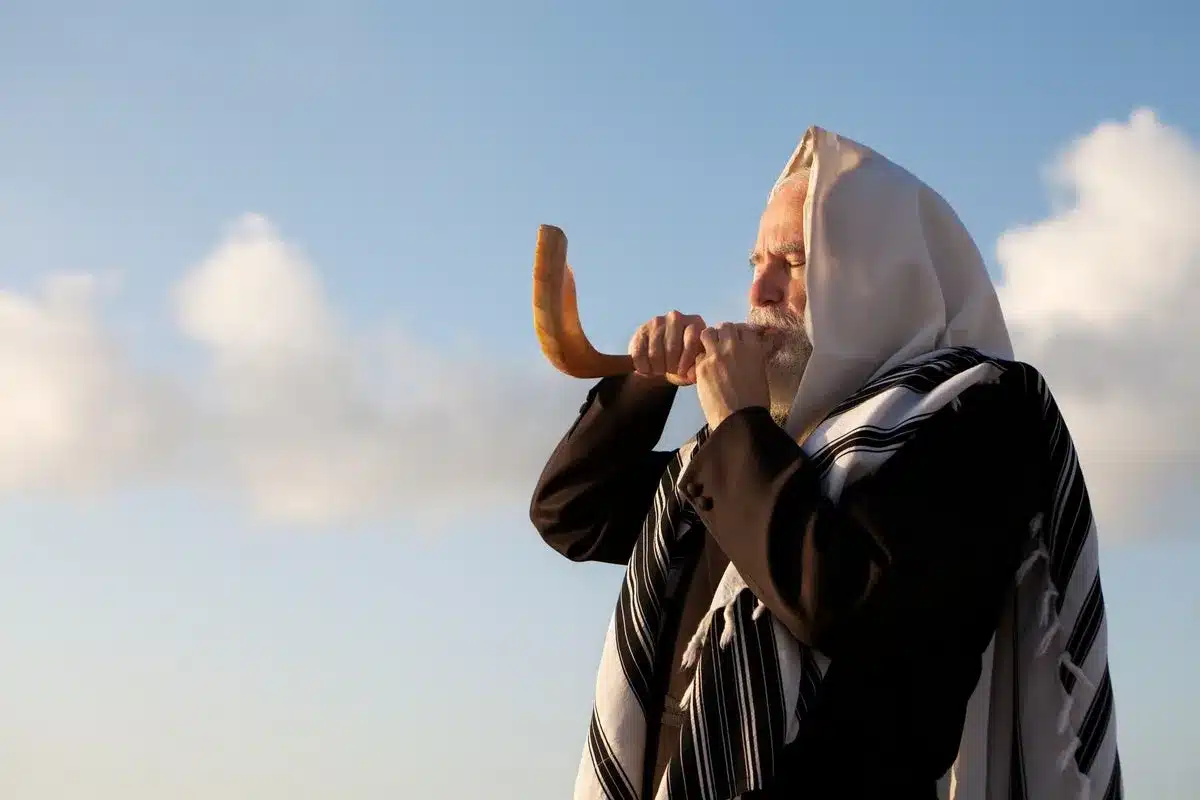
During these extended services, special passages from the Torah are read, and congregants engage in “Vidui,” a communal confession of sins. A poignant memorial prayer known as “Yizkor” is also recited, honoring the memory of departed relatives and friends. In a symbolic gesture of purity and atonement, it is customary for worshippers to wear white clothing during Yom Kippur services.
For those who are particularly devout, the observance extends to abstaining from various worldly activities. This can include refraining from using electricity, driving, bathing, and wearing leather items. These practices are seen as further ways to focus the mind and spirit on the solemnity of the day.
The Culmination of the Fast
The conclusion of the Yom Kippur fast is traditionally signaled by the sounding of the shofar, an ancient musical instrument typically crafted from a ram’s horn. The resonant call of the shofar serves as a powerful announcement that the period of intense spiritual observance has ended. The shofar’s sound is also a familiar element in other Jewish holidays and observances, including Rosh Hashanah and the daily services during the preceding month of Elul, underscoring its importance in the Jewish liturgical calendar.
In essence, Yom Kippur is a cornerstone of Jewish spiritual practice, offering a unique opportunity for self-examination, reconciliation, and renewal. It is a day dedicated to seeking forgiveness, strengthening one’s connection with the divine, and reaffirming commitments to a life of purpose and ethical conduct.
