

Many adults now look back in horror at the risky behaviors they engaged in during childhood, activities that escaped adult supervision and could have ended tragically. These personal accounts highlight common oversights from past generations.
Daring Outdoor Exploits
Children often tested limits in nature with little regard for consequences. One individual described building rafts each spring to navigate raging creeks during thaws, unaware of the flash flood risks.
1
Climbing towering trees, some over 40 feet high, led to falls cushioned only by branches. Another recounted jumping onto moving freight trains, narrowly avoiding disaster multiple times.
Swimming in canals, rock quarries with green water and crumbling 30-foot cliffs, or rivers with strong currents—alone—posed severe drowning threats. Riding bikes downhill without brakes or shooting arrows straight up into the night sky added to the peril.
Indoor and Experimental Hazards
Inside homes, creativity turned hazardous. One child built and lit a small campfire on a tile bedroom floor for a Barbie campout. Others played with mercury from broken thermometers, rolling the toxic liquid on desks—a practice even allowed by some educators, possibly mistaken for safer gallium.
Sharpening teeth with knives to mimic vampires or cutting pumpkins with rusty can lids resulted in deep gashes and near-fainting from blood loss. Swallowing whole grapes at age 4 or 5 for fun risked choking, only halted by a parent’s warning.
Social and Travel Risks
Online interactions in the 1990s chatrooms with unsupervised adults carried predation dangers. A teenager arranged a real-world meeting with an online game partner at Disney World, nearly unsupervised until a parent intervened, turning a potential nightmare into an awkward encounter.
Hitchhiking long distances, like from Philadelphia to San Diego at 16, or hiding in car trunks for rides exposed kids to strangers and unsafe conditions. Hanging out with drug dealers or jumping from treehouses and roofs onto trampolines compounded the threats.
Unsupervised Adventures and Fires
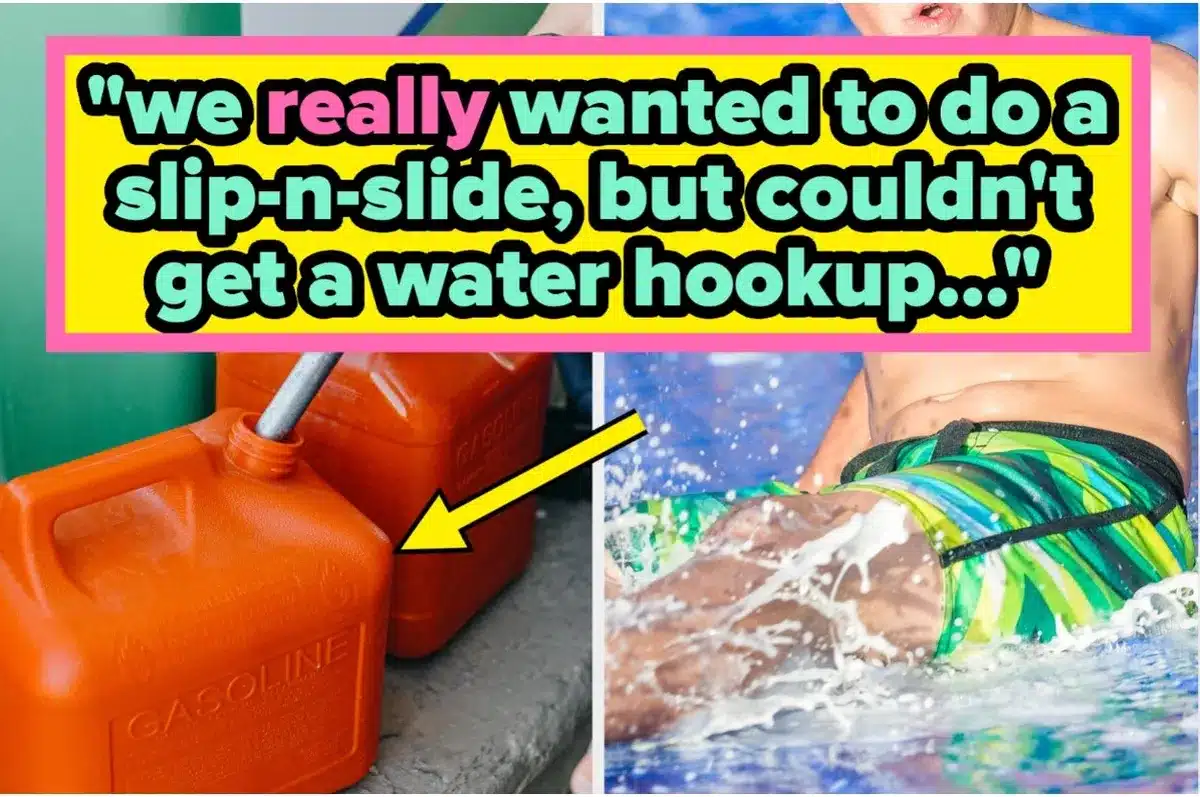
Groups of preteens wriggled deep into unstable boulder piles during camping, trapping one under eight feet of rock with no escape visible. Setting objects ablaze with magnifying glasses unsupervised or using gasoline for slip-n-slides created fire and chemical hazards.
These stories underscore how close calls shaped survivors’ perspectives, emphasizing the need for vigilance in children’s play today.
