

Paramedics in Quebec Face Stalled Negotiations, Rising Tensions
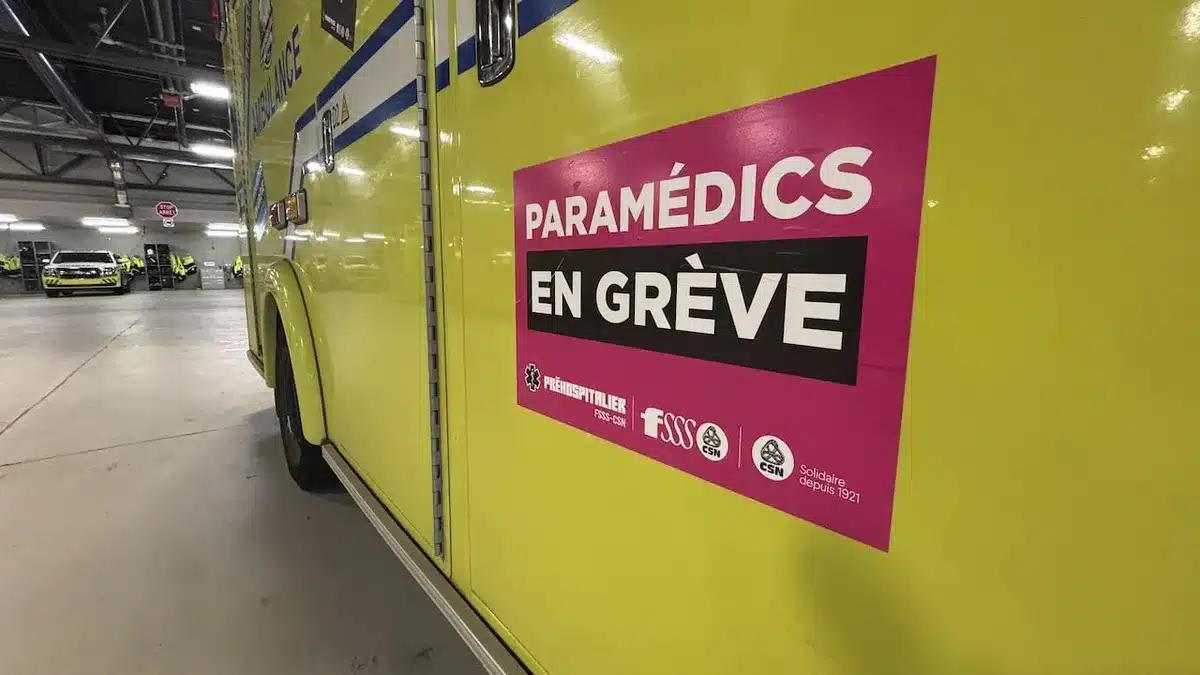
The professional lives of thousands of Quebec paramedics have been in limbo for over three years as contract negotiations remain stalled, with a recent push for an agreement failing to materialize before the legislative session adjourned. This prolonged labour dispute is leading to escalating frustration among the province’s emergency medical responders.
Symbolic Protest Highlights Deep Dissatisfaction
In a striking display of discontent, bags of manure were recently left outside the offices of Premier Christine Frechette and her cabinet. Mathieu Lacombe, a member of the Confederation of National Trade Unions’ (CSN) mobilization committee and a paramedic with 15 years of experience, explained the symbolic act. “Paramedics at the moment, they feel like shit,” Lacombe stated, reflecting the sentiment of the 3,500 workers the CSN represents across Quebec. He described the current morale among his colleagues as the lowest he has witnessed.
A demonstration is scheduled for Thursday morning, with at least 200 paramedics from across the province expected to gather at an undisclosed location. This planned protest underscores the growing urgency and unhappiness within the profession.
New Professional Order Announcement Exacerbates Concerns
Further fueling the frustration, Quebec’s labour minister announced this week a plan to integrate paramedics into a new professional order alongside cardiovascular perfusionists and respiratory therapists. This move has been met with significant criticism, particularly from those who have long advocated for paramedics to have their own distinct professional body.
Hal Newman, a former paramedic and founder of the Last Ambulance blog, which focuses on the pre-hospital emergency medical care crisis, characterized the government’s decision as “throwing jet fuel into a bonfire.” He noted that paramedics have been demanding their own professional order for decades. “The government is making substantive changes to the profession without ever settling the working conditions of the profession,” Newman observed. He added, “If I were a paramedic in Quebec, I would be honing my resume and looking elsewhere.”
Survey Reveals Low Morale and High Turnover Intent
An internal survey conducted by the CSN revealed a stark reality: less than 30 percent of Montreal-area paramedics within the union feel sufficiently encouraged by their current employment conditions, including pay, to remain in their jobs for the next five years. This timeframe aligns with the current average tenure for paramedics in Quebec.
Factors contributing to burnout and departures from the profession commonly include long hours, the psychological toll of emotionally intense cases leading to PTSD, and insufficient compensation. According to the CSN, which represents over 950 Urgences-santé paramedics in the Montreal region, entry-level emergency health paramedics currently earn approximately $26 per hour, with salaries reaching nearly $40 per hour after 12 years of service. Paramedics are seeking salary increases to align more closely with those of nurses and other front-line workers who have seen wage advancements in recent years.
Conflicting Perspectives on Professional Order Integration
While many paramedics express dismay, some stakeholders view the planned professional order integration differently. A spokesperson for the Ministry of Labour stated that the decision was based on extensive research and consultations. “The Office des professions du Québec has conducted numerous consultations in recent months and years, notably with representatives of the paramedic profession, the Ministry of Health and Social Services (MSSS), and other stakeholders in pre-hospital emergency services,” said Jérôme Dufour, an advisor to Labour Minister Jean Boulet.
The Corporation des paramedics du Québec (CPQ) was among those consulted and did advocate for a separate professional order. CPQ vice-president Alexandre Sapone expressed continued enthusiasm for the announcement, calling it “a step in the right direction.” Similarly, Stéphane Smith, communications director for Urgences-santé, welcomed the development as an “important step forward in the ongoing professionalization of the paramedic profession,” acknowledging that “a number of important discussions and decisions still lie ahead.”
Resignations Amidst Pre-Hospital Services Uncertainty
In related developments, Dr. Alexandre Messier, the province’s national medical director of pre-hospital emergency services, has resigned. Santé Québec acknowledged his “sustained commitment, expertise, and the quality of his contribution to the development of pre-hospital emergency services” in a letter. Inquiries to both Dr. Messier and Santé Québec regarding his departure did not elicit a response.
