

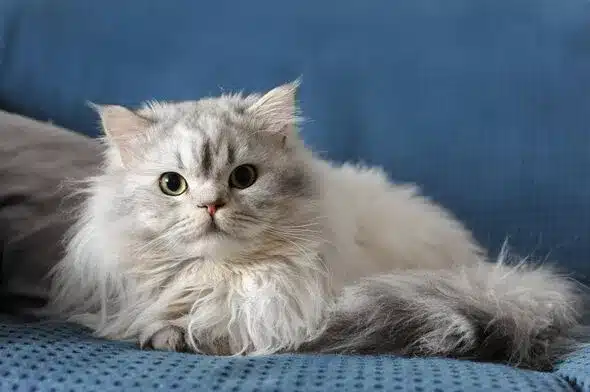
With a severe heatwave gripping the United Kingdom, cat owners are being alerted to the critical dangers of rising temperatures for their pets. Soaring heat poses a significant threat, with certain feline breeds particularly vulnerable to developing heatstroke, a potentially fatal condition.
Understanding the Dangers of Heatstroke
Heatstroke in cats is a serious medical emergency that can rapidly lead to severe dehydration, organ failure, and even death. This condition often arises when cats become trapped in hot, poorly ventilated environments such as sheds or garages. However, inherent breed characteristics also play a crucial role, as some cats struggle more than others to regulate their internal body temperature.
Veterinary professionals emphasize that immediate action is vital if heatstroke is suspected. Prompt cooling measures followed by urgent veterinary attention can significantly improve a cat’s chances of a full recovery.
Key Temperature Indicators
A cat’s normal body temperature typically ranges between 38.1-39.2°C (100.5-102.5°F). While this can increase slightly if the cat is unwell, a temperature exceeding 40°C (104°F) puts them at significant risk of heatstroke. The consequences can be severe, including seizures, blood clotting disorders, organ damage, coma, and potentially death.
Breeds Most Susceptible to Heatstroke
Analysis highlights seven specific cat breeds that face an elevated risk of heatstroke due to their physical traits:
Persians
Persian cats are highly susceptible due to their characteristic flat faces and dense, thick fur. Cats primarily dissipate body heat through their nasal passages. Brachycephalic (flat-faced) breeds like Persians have significantly reduced nasal space, hindering their ability to release heat effectively. This makes them prone to overheating, even on days that may not feel excessively hot.
Himalayans
Similar to Persians, Himalayans possess flat facial structures and heavy fur coats, making them particularly vulnerable to heat exhaustion and heatstroke.
Exotic Shorthairs
Despite their shorter coats, these flat-faced felines also experience difficulties in regulating their body temperature, even outside of extreme heat conditions.
Burmese
The shortened muzzle common in Burmese cats can increase their risk of succumbing to heatstroke.
Scottish Folds
Scottish Folds often exhibit shortened noses and narrow nostrils, which can lead to breathing challenges. This compromised respiratory function makes managing body heat particularly difficult for this breed.
Ragdolls
Their long, dense coats, including a thick undercoat, make Ragdolls vulnerable in warm weather. This fur traps heat effectively, and the risk is further amplified if the cat is overweight.
Maine Coons
The substantial double coats and large body size of Maine Coons can impede their ability to shed excess body heat. As cats rely on panting through their paws and grooming to cool down, extreme temperatures present a significant challenge for this breed.
Recognizing the Signs of Heatstroke
Owners should be vigilant for the following common indicators of heatstroke in cats:
- Excessive panting
- Drooling
- Rapid heart rate
- Restlessness or agitation
- Vomiting
- Diarrhea
- Lethargy or weakness
- Stumbling or lack of coordination
- Red gums and tongue
- Collapse
Preventative Measures for Owners
Proactive steps can significantly reduce the risk of heatstroke in cats. Key preventative strategies include:
- Ensuring constant access to fresh, cool water.
- Providing shaded areas outdoors and cool, comfortable spaces indoors.
- Never leaving cats in confined, unventilated spaces like cars or conservatories.
- Avoiding strenuous activity during the hottest parts of the day.
- Grooming long-haired cats to remove excess fur.
- Using cool, damp cloths or pet-safe cooling mats.
Owners are strongly advised to monitor their pets closely during periods of high temperatures and to seek immediate veterinary advice if any signs of heatstroke are observed.
