

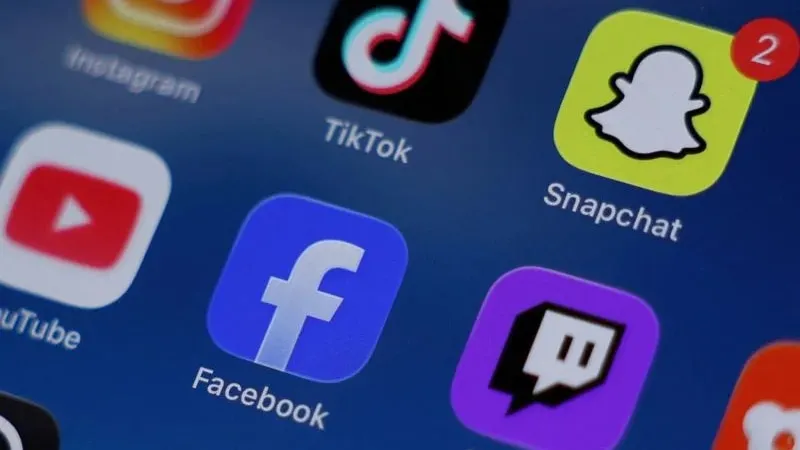
Government Proposes Enhanced Protections for Young Social Media Users
New legislation is being introduced to strengthen existing age restrictions for social media use by individuals under 16 years old. The proposed laws aim to significantly increase penalties for technology companies found to be in violation of these regulations and will grant the eSafety Commissioner expanded authority to ensure compliance.
Increased Fines and Commissioner’s Powers
Under the proposed changes, the maximum financial penalties for companies failing to prevent under-16s from accessing their platforms will double. This means the current maximum fine of $49.5 million could rise to $99 million. The eSafety Commissioner, Julie Inman Grant, is set to receive enhanced powers, enabling her to compel companies to provide concrete evidence of their efforts to prevent underage users from creating or maintaining accounts. Furthermore, third-party providers of age verification technology will also be required to share relevant information with the Commissioner.
Prime Minister Anthony Albanese stated that the government believes major technology firms are not adequately adhering to the law. “There are still too many children on social media,” Mr. Albanese commented in a recent statement, emphasizing the need for these stricter measures. He added, “These changes reflect the seriousness with which we take any failure by social media companies to comply with our world-leading law.”
Addressing Non-Compliance and Industry Practices
Communications Minister Anika Wells criticized the current practices of the ten social media platforms subject to the ban, accusing them of employing “tricks straight out of the big tech playbook” to meet only the minimum requirements. “Social media platforms are some of the richest and most powerful companies in the world, and we’re serious about holding them to account,” Ms. Wells asserted. “These tough new penalties and powers show we will not back down. Instead, we are doubling down on our efforts to hold big tech to account.”
Reports indicate that the government intends to pass these tougher penalties and expanded powers before the parliamentary winter recess. Prime Minister Albanese previously highlighted “further strengthening the social media ban” as a key priority during a recent Question Time session.
Study Highlights Limited Early Impact of Current Restrictions
A recent study from the University of Newcastle, published in the British Medical Journal, suggests that Australia’s current social media age restrictions have had a limited impact in their early stages. The research examined 408 adolescents aged 12–17 both before and three months after the ban was implemented. The findings revealed that over 85 percent of the under-16 cohort continued to use restricted social media platforms, with approximately two-thirds encountering age verification processes.
Lead investigator Courtney Barnes noted that the most common age verification method was self-declaration. “There was also clear evidence of circumvention, for example, using fake accounts or accounts belonging to friends or family,” Ms. Barnes stated. The study acknowledged the growing international momentum for similar reforms following Australia’s initiative. However, it also pointed out that “the evidence base remains uncertain, and debate continues about the potential benefits, unintended consequences, and practical feasibility of enforcement of such strategies.”
Global Trend Towards Age Restrictions
The United Kingdom recently unveiled its own plans for social media restrictions for under-16s, joining a growing number of countries worldwide that are implementing or seeking to implement age-based controls on social media access for children. The government is understood to be aiming to legislate these new measures before parliament adjourns on July 2.
