
Leaders built the post-World War II global order amid widespread destruction to prevent future catastrophes. In 1943, as Allied forces gained ground, U.S. President Franklin D. Roosevelt cautioned: “Unless the peace that follows recognizes that the whole world is one neighborhood and does justice to the whole human race, the germs of another world war will remain as a constant threat to mankind.”
Current Pressures on Global Institutions
Today’s peace hangs by a thread. The framework designed to curb great-power clashes, promote cooperation, minimize wars, and embed human rights in enforceable laws faces intense challenges. Ultranationalism surges, zero-sum rivalries intensify, alliances fracture, and norms crumble under hegemonic ambitions. Multilateral bodies that once ensured stability now serve geopolitical agendas. Treaties weaken, compliance falters, and enforcement fails, paving the way for a might-makes-right world.
Erosion of the UN Charter
The United Nations Charter forms the cornerstone of this order, prohibiting force except in self-defense or with Security Council approval. This core principle of collective security frays as power overrides law. Unilateral actions without authorization become routine, turning threats into accepted practice and binding rules into rhetoric.
Judicial Bodies Under Attack
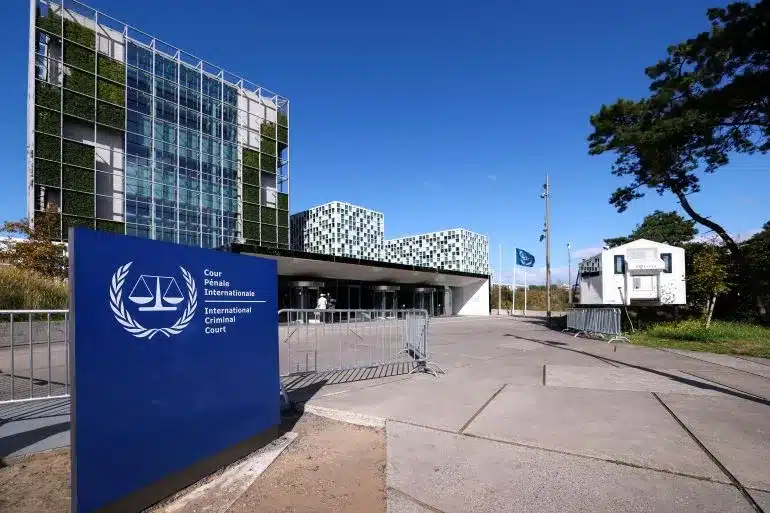
International courts have resolved disputes and advanced accountability. The International Court of Justice, the UN’s top judicial organ, settles interstate conflicts peacefully. From Nuremberg trials to ad hoc tribunals, efforts paved the way for the International Criminal Court in 2002. This institution signals that atrocity perpetrators face justice, ending impunity for mass crimes.
These norms elevate global awareness of atrocities, redefine accountability, and shift how societies address grave violations. Yet, powers that once championed them now undermine through defiance, selective use, or politicization, shaking the foundations of restraint.
Hypocrisy and Selective Outrage
Convenient indignation by states and biased actors erodes human rights credibility. Justice demands consistent application, not à la carte enforcement. Contrasting reactions to recent conflicts expose double standards, fueled by political convenience or media hype, betraying universal dignity.
Weaponizing human rights language against foes trivializes victims and worsens abuses. As scripture warns: “Beware of false prophets, who come to you in sheep’s clothing, but inwardly they are ravenous wolves.”
Role of Smaller States
Middle and smaller powers must unite decisively to bolster a rules-based system rooted in international law and peaceful dispute resolution. The West represents just 11-15% of the world’s population; the rest demands multipolar stability beyond double standards.
Ethical Leadership Essential
True advocacy requires impartial law application, even when unpopular. Leaders of courts and institutions must uphold integrity to maintain public trust. Compromised ethics embolden foes and harm victims.
A Call to Defend Norms
Nations must reject eroding foundations through selective justice or indifference, lest chaos returns with aggression, border violations, and norm collapse. Upholding law protects all from conflict’s toll, shapes civilized progress, and honors humanity’s promise. Silence equals complicity; the rule of law stands as our greatest safeguard.
