

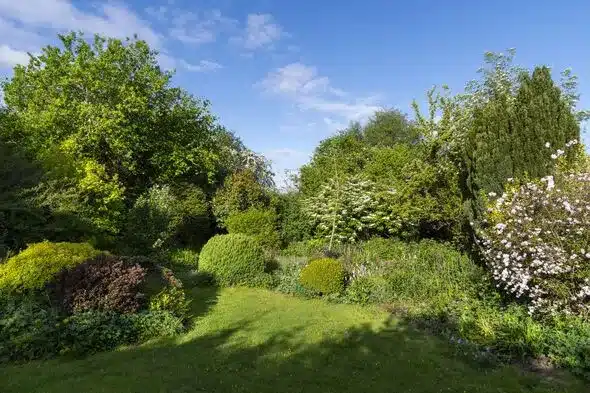
Disputes over encroaching trees and the resulting loss of sunlight can lead to significant neighborhood friction. However, legal experts clarify the rights and recourse available when a neighbor’s greenery obstructs natural light.
Understanding Your Right to Light
As the summer months arrive, many homeowners seek to maximize sunlight in their gardens and homes. When a neighbor’s tree casts a shadow, it can be a source of considerable frustration. Understanding the legal framework surrounding natural light is crucial before approaching a neighbor or considering further action.
Legal professionals highlight that overhanging branches, encroaching roots, and overshadowing trees are frequent catalysts for tension between neighbors. The ability to take action typically depends on several factors.
Garden Sunlight vs. Home Interiors
Under current law, there is no general right to light in a garden. This means you cannot legally demand action against a neighbor’s tree solely because it blocks sunlight from reaching your outdoor space.
However, the situation differs for light entering windows and rooms within your home. A legal right to light can be established through common law or acquired under the Prescription Act 1832. This right typically applies if light has consistently entered a window for 20 years or more, without interruption, and if this right has not been waived or altered by agreement. Furthermore, action may be permissible if the light obstruction significantly impacts the room’s usability.
Resolving the Issue
It is often the case that neighbors are unaware of the light they may be blocking. Approaching the situation amicably and seeking a friendly resolution is always the recommended first step. Open communication can often prevent the need for formal action.
Dealing with Overhanging Branches
Homeowners do have the right to trim back any overhanging branches or bushes that extend onto their property. However, this action is strictly limited to the point where the boundary of your property begins. It is essential to accurately determine the property line before undertaking any trimming to avoid potential disputes.
